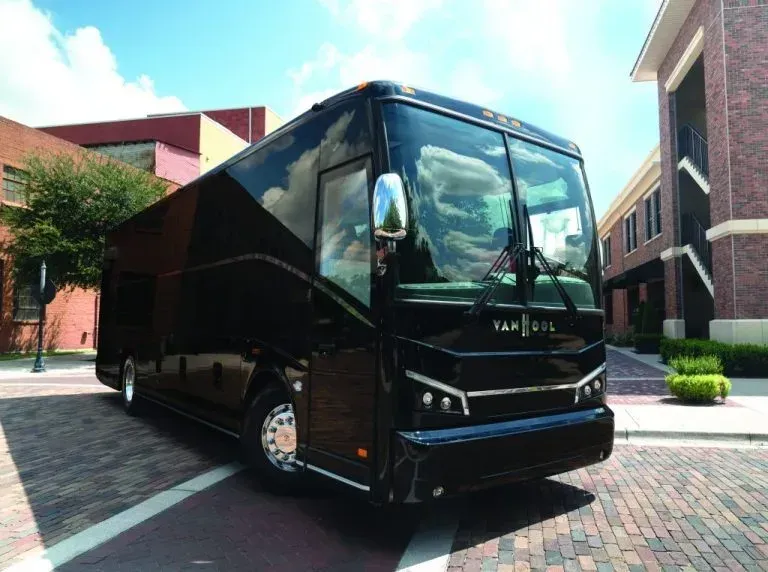
Coordinating transportation for a large group can quickly click here become a complex task when multiple schedules, pickup arrangements, and travel expectations are involved. Whether the event includes business functions, family occasions, group excursions, or special celebrations, making sure everyone arrives together and on schedule requires careful preparation. A well-organized transportation strategy helps eliminate confusion, reduces delays, and creates a more enjoyable experience for everyone involved. By understanding the key elements of group transportation coordination, organizers can create a seamless travel experience from beginning to end.
When large parties travel together, transportation plays a role that goes beyond simply transporting passengers from place to place. It serves as an essential element of the overall occasion. Careful organization helps preserve timelines, strengthen participant communication, and improve overall travel comfort. At A1 Quality Express Limousine, we appreciate the importance of delivering organized transportation arrangements that support convenient and reliable group travel.
Begin Transportation Planning Early
Successful group transportation begins with early preparation. Postponing transportation decisions until the last moment can limit flexibility and make accommodations more challenging. Organizers should begin by determining the number of passengers, travel dates, estimated departure times, and destination requirements. Collecting this information in advance provides a strong basis for transportation plans that align with the event schedule.
Proactive planning creates time to address concerns before they develop into larger obstacles. Factors such as traffic flow, scheduling considerations, pickup logistics, and traveler accessibility needs can impact transportation planning. Considering these details beforehand enables planners to design transportation strategies that improve efficiency. Extensive preparation typically helps create smoother transportation experiences and minimizes unexpected challenges.
Identify the Group's Size and Requirements
A key step in organizing transportation for large groups is identifying the exact size of the group and its unique needs. Reliable attendance numbers contribute to selecting appropriate transportation options and maximizing efficiency. Coordinators should establish participant counts promptly and keep them updated throughout the planning process.
Beyond simply counting travelers, it is essential to understand individual requirements within the group. Different passengers may require additional baggage capacity, accessibility accommodations, or other forms of assistance. Identifying these needs enables organizers to customize transportation solutions effectively. Investing time in collecting detailed information helps support a smoother and more comfortable journey for everyone involved.
Develop a Comprehensive Transportation Schedule
A well-defined transportation schedule functions as a guide for the whole group. Organizers should outline departure times, pickup locations, travel durations, arrival targets, and any planned stops along the route. Having a detailed schedule minimizes uncertainty and helps everyone understand where they need to be and when. Consistency and clarity are especially valuable when managing larger groups with multiple participants.
Clear communication is essential for making transportation schedules successful. Travelers should receive full transportation instructions before the event starts. Distributing itineraries via email, messaging apps, or printed documents ensures everyone stays informed. When expectations are clearly communicated, transportation processes become smoother and more efficient.
Set Up Central Pickup and Drop-Off Points
Handling several pickup points can add unnecessary complications to large-group travel. Organizers should prioritize centralized locations whenever practical for easier coordination. Consolidating gathering locations helps streamline the boarding process and reduces delays caused by coordinating multiple stops. This approach improves communication flow and strengthens overall efficiency.
These locations simplify passenger tracking before the journey begins. Team leaders can confirm group members, distribute information, and handle inquiries before departure. An organized system helps ensure readiness and schedule adherence. Clear meeting points contribute significantly to a well-coordinated travel experience.
Emphasize Clear Communication Across the Entire Process
Clear communication is among the most important elements of successful transportation planning. Participants must be kept informed of schedules, instructions, and any adjustments. Reliable information ensures passengers can prepare without uncertainty. Effective communication enhances efficiency and improves passenger experience.
Organizers should establish reliable methods for sharing updates before and during the event. Group chats, email updates, and assigned representatives help ensure fast communication. Communication consistently serves as the unifying factor in organized transportation. Regular updates help maintain trust and reduce interruptions during travel.
Prepare for Sudden Changes
Even the most carefully planned transportation arrangements can encounter unexpected circumstances. Traffic, weather, scheduling shifts, and participant delays can require rapid adjustments. Flexibility within planning improves the ability to handle sudden changes. Preparation increases resilience and supports smooth operations even when conditions change.
Backup communication systems, alternative routes, and assigned contacts should be part of contingency planning. Prepared systems help reduce stress and maintain order during disruptions. Proactive planning allows transportation operations to continue efficiently even when adjustments become necessary.
Put Passenger Comfort and Convenience First
Comfort significantly impacts how passengers experience transportation. Large groups frequently travel for long durations, making comfort and convenience essential. Comfortable seating, organized boarding procedures, and a well-managed travel environment help create a positive atmosphere throughout the journey. A comfortable journey helps travelers arrive refreshed and ready.
Convenience also plays a key role in effective transportation planning. Streamlined boarding, clear guidance, and structured timing minimize issues for travelers. When transport is well organized, passengers can enjoy the event instead of stressing about logistics. A comfortable and convenient journey often enhances the overall success of the occasion.
Collaborate with Experienced Transport Providers
Coordinating transportation for large groups involves many moving parts, making professional support a valuable resource. Skilled transport professionals understand scheduling, passenger flow, and efficient operations. Their expertise helps planners manage complex logistics while maintaining organized and dependable operations.
Expert transportation teams provide insights that enhance coordination. Their experience with group travel helps them anticipate issues and suggest effective solutions. By leveraging professional experience, organizers can focus on the event itself while transportation logistics are managed with attention to detail and care.
Integrate Group Transportation Into the Event Experience
Transportation should be considered part of the event rather than just a way to travel. Well-coordinated transportation creates opportunities for participants to relax, connect, and begin enjoying the occasion before arriving at the destination. Effective transportation planning improves the overall experience and fosters a professional atmosphere.
At A1 Quality Express Limousine, we understand that successful transportation relies on planning, communication, and customer care. With the right approach, coordinating large-group travel can be simple and efficient. Attention to structure and comfort ensures successful group transportation experiences. We take pride in helping create smooth transportation experiences that allow every passenger to travel with confidence and peace of mind.